

Hell on Earth Exists--It's Where Our Food Comes From
It’s (past) time to reform our agricultural system to prioritize the environment and animal welfare.


Key Takeaways
The global cattle population increased by 304% between 1890 and 2024.
While many regions already had native grazing animals, the global expansion of industrial cattle ranching dramatically reshaped ecosystems through deforestation, land-use change, and biodiversity loss.
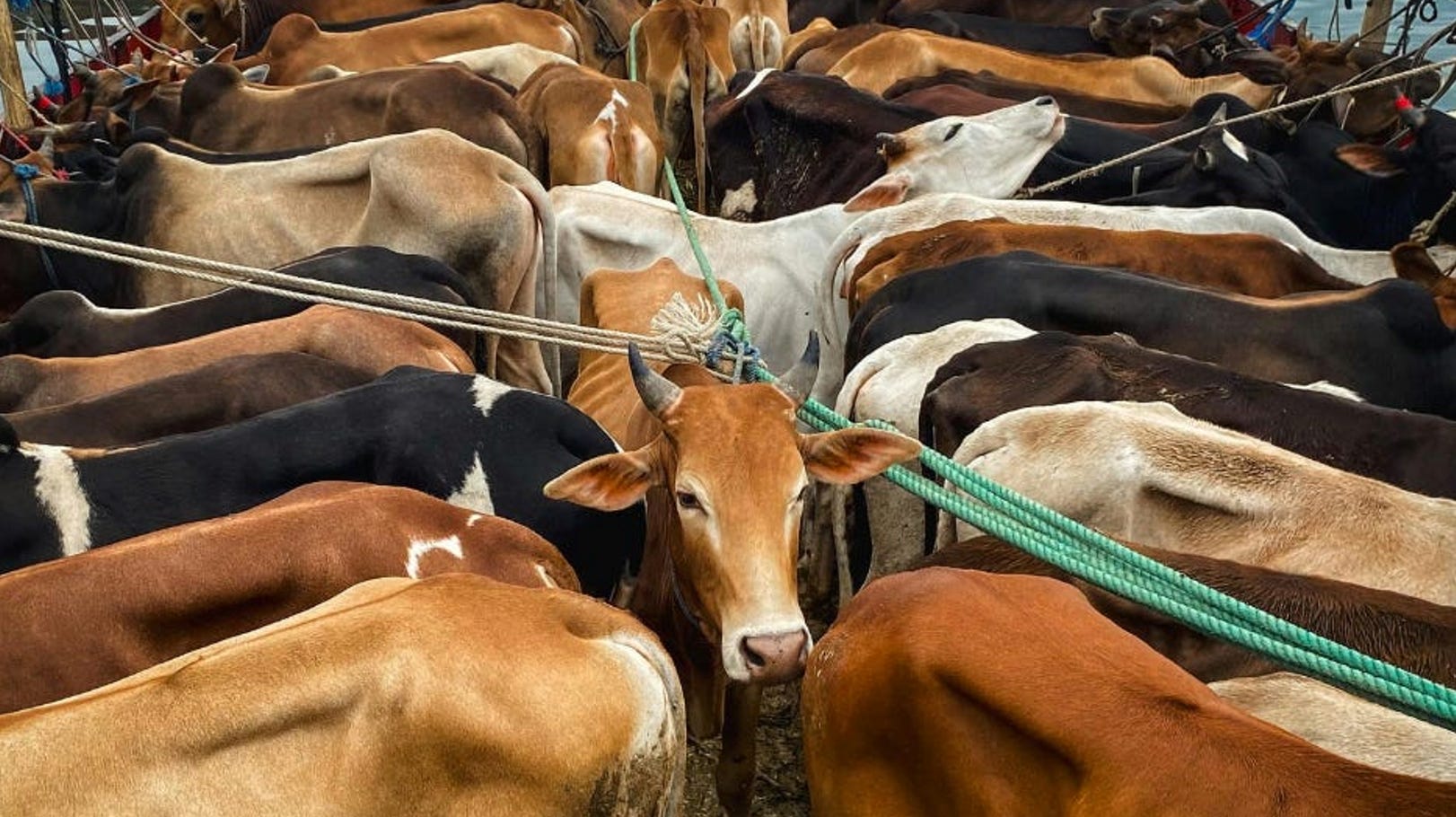
Concentrated animal feeding operation (CAFO) facilities confine thousands of animals in overcrowded conditions. CAFOs are unnatural, terrible places for animals; they prevent animals from providing “ecosystem services”, increase pollution, and contribute to public health risks such as antibiotic resistance.
When managed carefully through regenerative practices such as rotational grazing, cattle can help improve soil health, support nutrient cycling through manure, and strengthen ecosystem resilience.
While regenerative agriculture can help, it is not a silver bullet. You may not want to hear this, but reducing consumption of meat is an essential step in returning our planetary system to a sound ecological balance.
Introduction
I was lucky enough to grow up in Mexico’s sunny countryside, surrounded by flowers as far as the eye could see and farms where cows, horses, and other animals grazed freely. Life was simple… or so I thought. Beneath the pastoral charm lies a sobering truth: millions of farm animals around the world endure harsh confinement every day of their lives until slaughter.
Intensive farming is not only terrible for animal welfare, but also makes very inefficient use of agricultural resources, dramatically increasing antibiotic resistance thresholds (according to this Nature article, intensively farmed pigs presented feces with 46x more antibiotic resistant genes than free-range ones), and degrades our soils and their ability to sustain life.
Erik had the pleasure of talking with Mark Easter, author of “The Blue Plate”, an ecologist who has devoted a large part of his career to studying how we grow our food and its impact on the climate crisis.
Read Erik’s review of Mark Easter’s The Blue Plate!
Mark provided some invaluable insights on how changes in the ruminant population have impacted ecosystems around the world, the meat industry’s supply chain’s relevance in assessing its impact, and how we can change the way we eat to become more conscientious consumers. I highly recommend reading our article on the economics behind conventional and regenerative farming as a brief intro to Mark’s work.
I hope that by the end of this article, some of our readers will reconsider their diet regimes, as I have. Let’s dive into it.
Understanding Ruminant Digestion
Ruminants, a word which comes from the verb to ruminate, meaning to chew food over and over, are, at first glance, unremarkable beings. Whenever they’re not resting, they’re either eating, ruminating, or socializing with other members of their herd. You might be surprised to learn that cows are social beings, creating strong bonds and even having “best friends”!
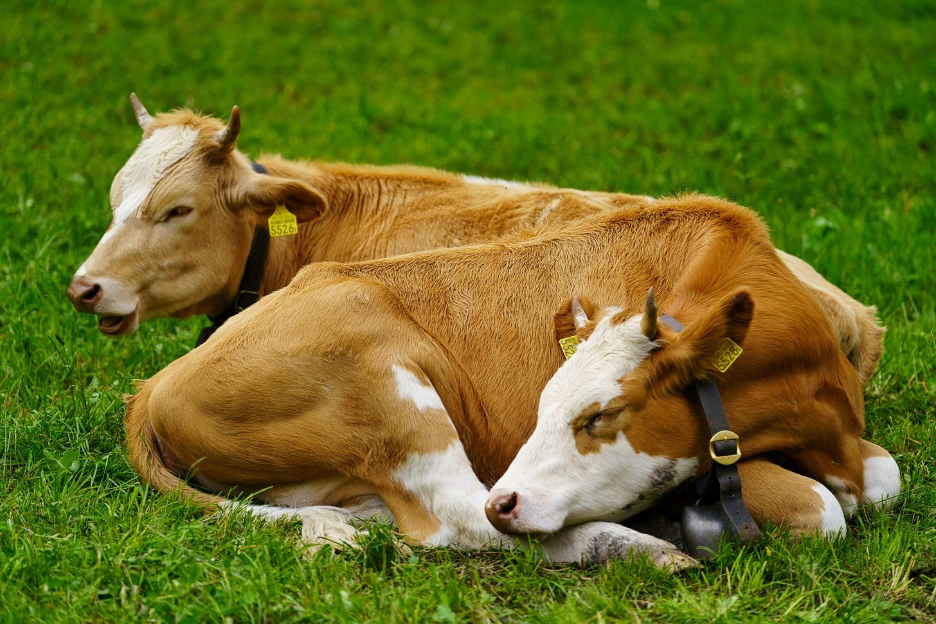
The ruminant digestive system has evolved to absorb nutrients from grass and other feed high in cellulose, the primary component of plant cell walls, and a very difficult material to digest.
Ruminants’ digestion operates in much the same way as ducks swim: calm on the surface, but paddling frantically below it. Ruminants developed a full-on biochemistry lab distributed across four stomachs, digesting food in a process called enteric fermentation.
To digest such a difficult meal, they outsource most of the work to microbes that are much more potent than any human digestive enzyme that break down carbohydrates in the ruminant’s rumen (a chamber where the microbes ferment the food) into simple molecules from which the animal can obtain nutrients.
This not-so-small chemistry lab helps ruminants properly digest and absorb nutrients from high-cellulose feed; however, it comes with side effects. Enteric fermentation generates methane, a gas with a warming effect 86 times stronger than CO₂ over 20 years. Multiply this by the global population of more than 1.5 billion head of cattle, and you have quite a problem.
Following the Herd: The Historical Geographical Distribution of Ruminants
The ruminant population grew alongside the human population in the post-settlement era. This growth, however, wasn’t evenly distributed across all regions.
At the beginning of the 20th century, around 60% of the world’s total cattle population was in Asia and Europe (the Americas didn’t even have cows before Columbus!). The cattle we know today are descended from aurochs, a now-extinct wild ox ancestor native to these regions.
Europeans and Asians participated in the earliest domestication events in history, during which early agricultural societies selected and scaled useful ruminant species.
North America was also home to a large population of wild ruminants, including between 30 and 60 million bison and around 10 million elk. As wild animals, their diet consisted primarily of pastures, herbs, and other types of cellulosic biomass, which, as we discussed in the previous section, generated significant amounts of methane.
However, as we will discuss later in this article, these emissions were somewhat offset by the “ecosystem services” provided by these animals’ interaction with their surroundings.
European colonizers brought their cattle with them and quickly spread them throughout the Americas, Africa, and Asia. In many places, abundant pastures without large herbivore competitors made cattle a very scalable domesticated species, and regions such as Northern Mexico and the Southern United States built enormous wealth through cattle farming.
Then, economic drivers, including industrialization, came into play. As the North industrialized and optimized food production efficiency through industrial farming, reducing its dependence on cattle for agricultural labor, the global South, where industrialization didn’t evolve as quickly, continued expanding its cattle industry.
Cheap land, increased revenue from meat exports, and less stringent environmental regulations resulted in the exponential growth of ruminant populations in regions like Africa, Asia, and Latin America (with net population growths of 1,239%, 310%, and 582%, respectively, between 1890 and 2024) while growth in North America and Europe stabilized (with net population growths of 54% and 7%, respectively, over the same time period).
This dynamic amplified the noxious effects of cattle as it transferred them from North to South. Cattle farming created a major disruption in many of these regions where it had not yet been introduced.
Accommodating these large ruminants on an industrial scale required ranchers to clear large tracts of forest and jungle for both the animals and the cultivation of their feed (according to Amnesty International, 63% of the area deforested in the Amazon from 1988 to 2014 became pastures for cattle).
While methane (CH4) often steals the spotlight in discussions of cattle-related emissions, most livestock production-related emissions come from the manufacturing of inputs and supply chains (33%) and land-use changes, including deforestation (19%).
The Rise of CAFOs
Cattle (and other animals) spend the last months of their lives before slaughter in concentrated animal feeding operations (CAFOs). The purpose of these industrial facilities is to boost the animals’ growth so they can reach their slaughter weight faster.
To do this, farmers feed cattle a special grain-based feed supplemented with other ingredients, but ruminants’ complex digestive systems evolved specifically to digest high-cellulose grasses and other plants… not grains.
Naturally, this is detrimental to ruminants’ health, disrupting their digestive systems and necessitating increased antibiotic use in industrial farming facilities (which is already high due to the heightened infection risk from confinement and overcrowding to which these animals are subjected).
Overreliance on antibiotics also has negative environmental consequences. While it’s true that a grain-based diet reduces the methane emissions produced by enteric fermentation, the system required to grow this feed has a huge environmental footprint.
As we mentioned in this CTVR article on conventional farming (which I highly recommend reading to better understand the negative effects of industrial agriculture), almost 40% of U.S. corn production goes into animal feed. To put this in perspective, if we grew food exclusively for human consumption, we would be able to increase available calories by 70% — enough to feed 4 billion people (around half of the world’s population!).
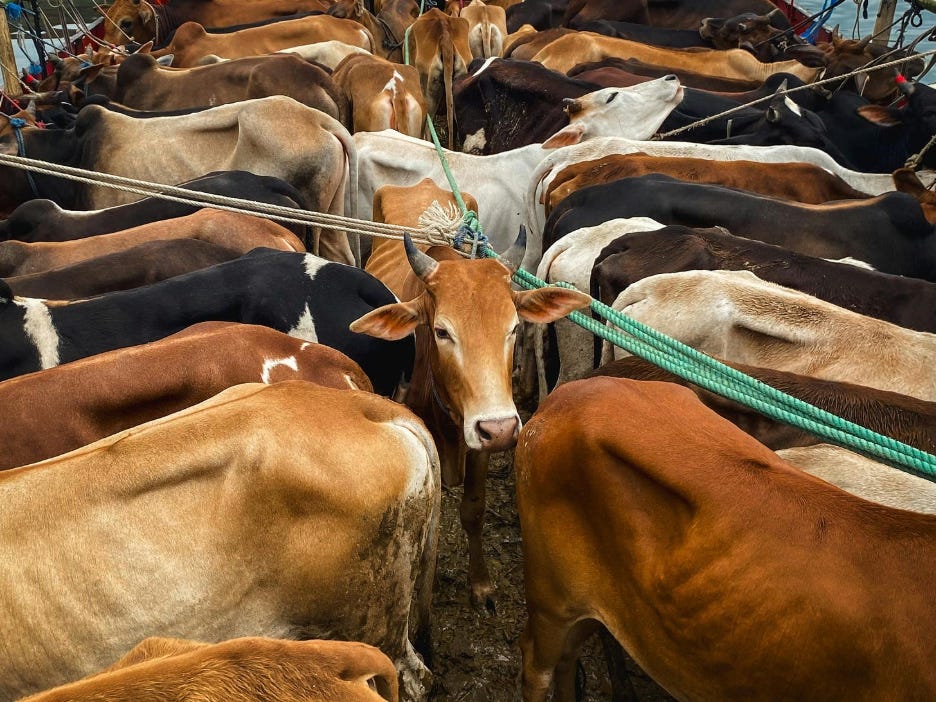
CAFO facilities not only transfer emissions up the supply chain (through deforestation and input production, as we mentioned previously), but also reduce the efficiency of other processes, such as manure handling.
In natural ecosystems, manure serves as a natural fertilizer, providing nutrition to microorganisms and insects (which form the base of terrestrial food chains) and boosting the soil’s natural capacity to capture carbon.
Manure left by ruminants and other animals in natural settings provides enormous value to the ecosystem at large. The divots ruminants leave in the soil are perfect receptacles for rainwater that provide water sources for birds and other small animals. These kinds of interactions are known as ecosystem services.
Ecosystem services are not provided by practitioners of industrial agriculture. In our society’s Industrial Revolution paradigm, the meat, milk, and eggs of the animals are the only valuable products; manure is waste which must be stored and managed.
In CAFO facilities, manure is typically dumped into large open-pit anaerobic lagoons, where microbes break down the waste so it can be used as fertilizer.
In theory, this should close the nutrient loop. In practice, when you have more manure than the land can absorb, nutrients like nitrogen and phosphorus run off into water systems (creating noxious algae blooms and dead zones). The proliferation of CAFOs has also increased methane emissions by 66% (derived from anaerobic manure storage) and nitrous oxide by 34% (from manure handling and land application).
Regenerative Agriculture: More Than Just a Fancy Label
Picture this: green pastures dotted with flowers and alfalfa, some fruit trees mixed in with corn crops, and livestock grazing freely. Sounds almost too good to be true, right? This, Dear Reader, already exists, and it’s called regenerative agriculture. Regenerative agriculture is far from just a compelling label in the supermarket to sell you fancy beef. The Food and Agriculture Organization of the United Nations defines regenerative agriculture as:
“Holistic farming systems that, among other benefits, improve water and air quality, enhance ecosystem biodiversity, produce nutrient-dense food, and store carbon to help mitigate the effects of climate change... designed to work in harmony with nature, while also maintaining and improving economic viability.”
In other words, farms that follow a regenerative agriculture framework put soil and the environment at the forefront of the agricultural process and acknowledge that food production is part of a complex system (we discuss some of regenerative agriculture’s most common practices in this CTVR article).
When we apply regenerative farming to livestock, we adapt many of the noxious effects of CAFO systems into benefits for local ecosystems.
Excessive manure becomes sustainable fertilizer for local fauna, monocrops become diversified, and ruminants become essential in helping the soil store more carbon and maintain existing microbiomes, helping the local ecosystem become more resilient to weather and pests.
One of the most common such practices is rotational grazing, a feeding management technique in which farmers move cattle across subdivided pastures (also called paddocks) to mimic natural grazing patterns. This way, cattle eat only the tops of pasture grasses and other plants, allowing them to capture more carbon by trimming without killing them, therefore allowing them to regrow continuously.
Lastly, regenerative agriculture also helps farmers bring more money home. Despite upfront costs and a potential decrease in yields as the soil replenishes its nutrients and regrows its microbiome after years of bombardment with chemicals, regenerative practices can result in healthier and more nutritious soil, which in turn can translate into a 5 to 20% increase in farmland value. Additionally, integrating cattle and cover crops can dramatically reduce input use (fertilizers, pesticides, water, etc.), increasing farmers’ profits.
Read CTVR’s coverage of an innovative regenerative agriculture startup out of Kansas called PrairieFood that helps farmers transition away from synthetic fertilizers.
A silver bullet? Not quite…
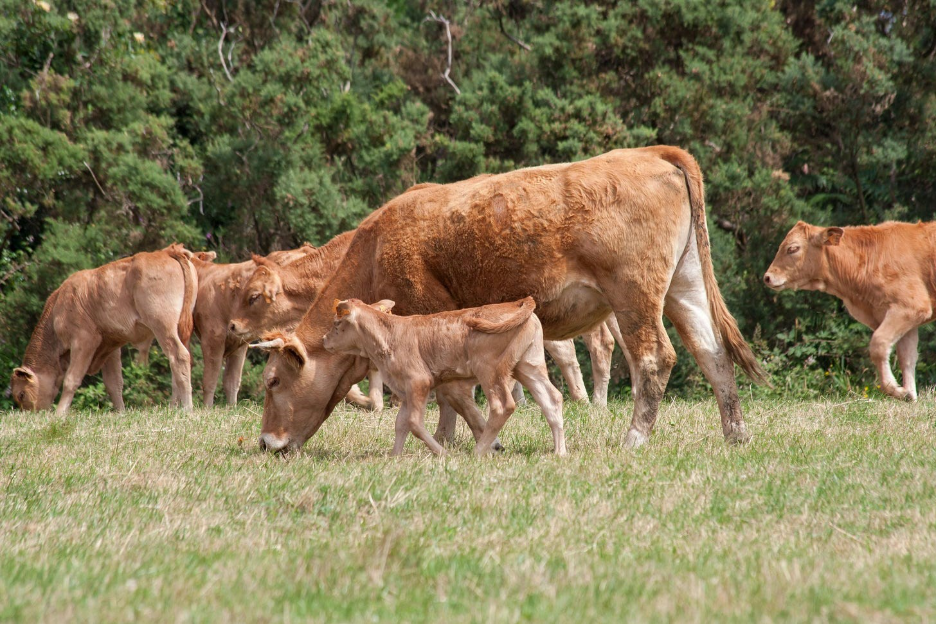
Despite the benefits regenerative farming offers and its surprising ability to turn current problems in conventional agriculture into benefits for local ecosystems, regenerative practices are no miracle solution.
This system still faces several challenges in a world where quantity is valued over quality and expansion is king. Like every natural resource, agriculture has its limits, especially those dictated by nature.
Free grazing naturally requires more land for livestock to roam and sustainable practices that support the regeneration of local fauna. This sets a cap on the total amount of meat and animal products we can produce if we want to recover a sensible ecological balance.
The answer is at once simple and extremely difficult: We must reduce consumption.
I’m not saying we must completely eliminate meat from our diets but being mindful of what we are eating and how it is produced while looking for ways to reduce our meat consumption is mandatory in this post-Climate world.
Doing so, we reduce the impact of our current consumption patterns while we transition our system towards one where animal welfare is prioritized, the environment can regenerate, and farmers can keep the profits in their pockets rather than Monsanto’s or the bank’s.
 | A guest post by
|